
How Ultra-Processed Foods Really Impact Athletic Performance

How Ultra-Processed Foods Really Impact Athletic Performance
Fueling Convenience Instead of Performance
By Barbara Lewin, RDN, LDN
Ultra-processed foods are becoming a major part of the modern athlete’s diet, often without realizing it. From protein bars and sports drinks to packaged snacks and ready-to-eat meals, these foods are marketed as convenient fuel for performance. This article explains what ultra-processed foods are, why they are so common, and how they can negatively affect athletic performance, recovery, gut health, and long-term health.
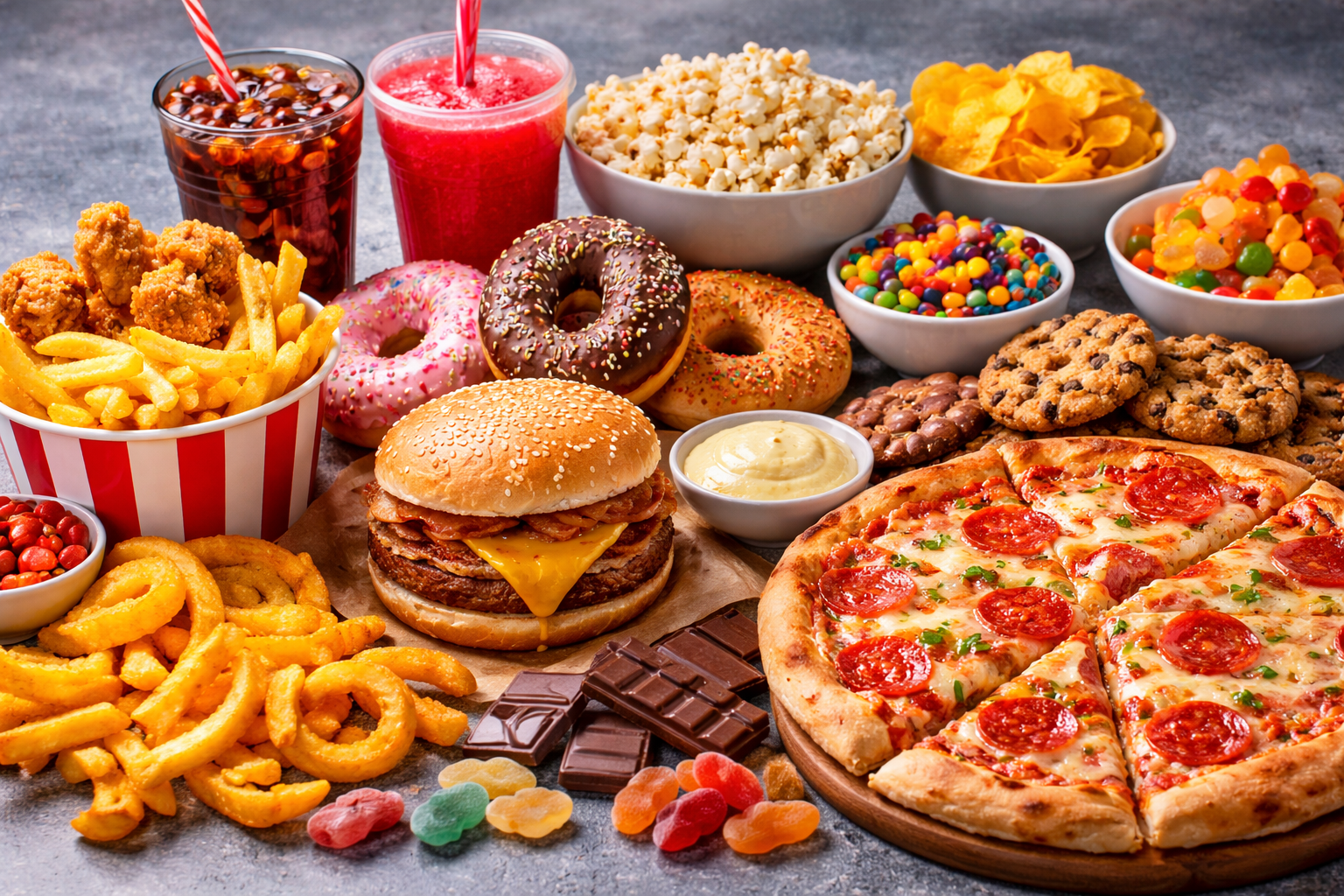
So what exactly are ultra-processed foods? Unlike minimally processed foods such as frozen vegetables or canned beans, ultra-processed foods are manufactured using refined components of real foods. These products are made with ingredients like protein isolates, refined starches, hydrogenated oils, artificial sweeteners, emulsifiers, and synthetic flavors. The original food structure is heavily altered, which can interfere with digestion, increase inflammation, and reduce nutrient quality. For athletes, regular intake of ultra-processed foods can impact energy levels, training adaptations, and recovery.
Common examples of UPFs include:
-
Flavored breakfast cereals and toaster pastries
-
Packaged cookies, snack cakes, and chips
-
Chicken nuggets, frozen pizzas, and instant noodles
-
Soda, energy drinks, and sweetened coffee creamers
-
“Health” bars, diet shakes, and meat substitutes made from isolates
Did you know?
-
The average American consumes about 21 teaspoons of added sugar daily—much of it hidden in everyday items like bread, sauces, and salad dressings.
-
Many popular snack foods contain over 20 different additives in a single serving.
-
UPFs now make up nearly 60% of the total calories Americans consume each day.
Once only found in the “junk food” aisle, UPFs have crept into breakfast, lunch, dinner, and snacks-displacing real, whole foods. Their rise mirrors the surge in chronic diseases like obesity, diabetes, cardiovascular issues, autoimmune disorders, and even dementia. One major review linked UPFs to 32 different health problems. Not a single study has shown a health benefit from eating them.
Fun fact: A single clove of garlic contains over 6,800 natural compounds, many of which support immunity and protect against disease. You won’t find these in “garlic-flavored” processed snacks.
Better Alternatives to Ultra-Processed Foods for Athletes
Athletes do not need a perfect diet, but choosing more minimally processed foods most of the time can improve energy, recovery, gut health, and overall performance. The goal is to replace ultra-processed foods with options that are closer to their natural form and easier for the body to use.
Instead of packaged snack foods
-
Fresh fruit with nuts or seeds
-
Plain popcorn made at home with olive or avocado oil
-
Rice cakes with nut butter or hummus
Instead of protein bars and meal replacement shakes
-
Greek yogurt or skyr with berries
-
Cottage cheese with fruit
-
Smoothies made with real foods like milk or plant milk, fruit, oats, and protein powder with a short ingredient list
Instead of sugary cereals and flavored oatmeal
-
Plain oats with fruit, nuts, and cinnamon
-
Eggs with whole grain toast
-
Chia pudding made with milk and fruit
Instead of sports drinks and energy drinks
-
Water with electrolytes that contain minimal added sugar and no artificial colors
-
Coconut water diluted with water
-
Water with a pinch of salt and a splash of fruit juice for longer training sessions
Instead of fast food and frozen meals
-
Cooked grains like rice, quinoa, or potatoes with lean protein and vegetables
-
Simple meals made in batches to use during the week
-
Soups or stews made with whole ingredients
For endurance athletes and highly active individuals, some processed foods may still have a place during long training sessions or races. Outside of training and competition, focusing on minimally processed foods helps support better digestion, reduced inflammation, and stronger training adaptations.
So, what can we do? Start small. Read ingredient labels. Choose foods with fewer additives. Cook more at home. Focus on foods your grandparents would recognize as food.
The bottom line: Ultra-processed foods (UPFs) might be convenient and tasty, but they come at a steep cost to your long-term health. Real, whole foods remain the best investment you can make in your well-being—one meal at a time.
👉 Want to learn more ways to improve your health and take control of your nutrition?
Click here to book a virtual session and take the next step toward feeling your best.