
Should You Take a Cold Plunge After Your Workout?

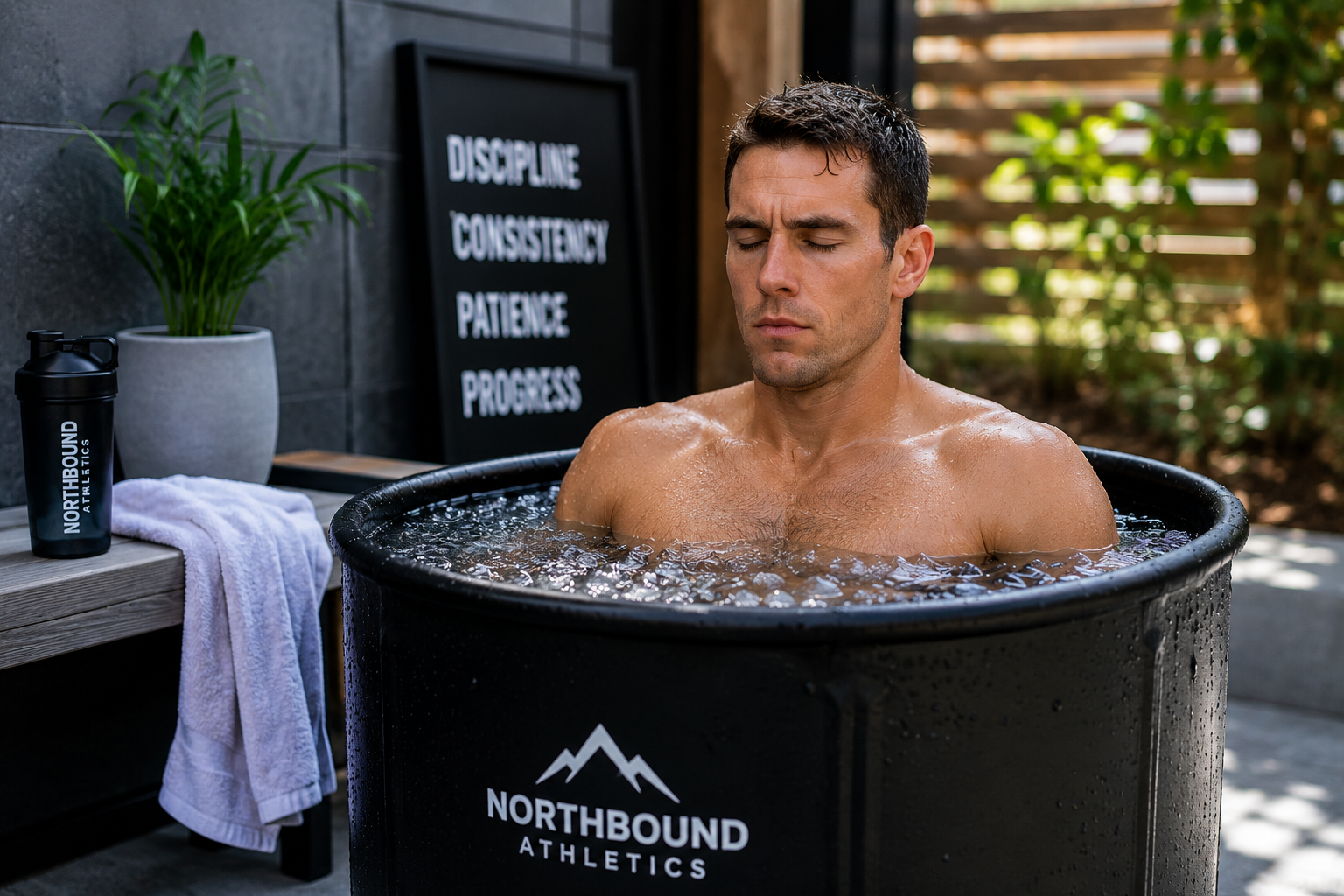
Should You Take a Cold Plunge After Your Workout?
A Sports Nutritionist Explains When It Helps and When It May Hurt Your Progress
By Barbara Lewin, RDN, LDN
Sports Nutritionist and Functional Dietitian
Cold plunges have become one of the hottest trends in sports recovery. Professional athletes, weekend warriors, and social media influencers are all jumping into icy water to reduce soreness and speed recovery.
But is taking a cold plunge after your workout really the best choice?
The answer depends on your goals.
Cold Plunges Can Reduce Inflammation
A cold plunge may help decrease inflammation, reduce muscle soreness, and leave you feeling refreshed after a hard workout or competition.
Many athletes report feeling less sore after spending a few minutes in cold water. This can be especially helpful after a race, tournament, or several days of intense training.
However, less soreness doesn’t always mean better results.
Cold Water May Reduce Training Adaptations
When you strength train or complete a challenging workout, your muscles experience small amounts of stress. This is a normal part of the process that helps your body become stronger over time.
Research suggests that using a cold plunge immediately after strength training may reduce some of these natural adaptations. In other words, cooling your muscles too soon may blunt some of the gains in muscle growth and strength that you’re working so hard to achieve.
If building muscle or increasing strength is your primary goal, it may be better to wait before using cold water immersion.
So, When Should You Use a Cold Plunge?
There isn’t a one-size-fits-all answer.
If your goal is to recover quickly between competitions or hard training sessions, a cold plunge may be a useful recovery tool.
If your goal is to maximize strength or muscle growth, you may benefit more from delaying the cold plunge until later in the day.
As a sports nutritionist, I individualize this recommendation based on each athlete’s sport, training schedule, recovery needs, and overall goals.
A Practical Recovery Plan
If you train in the morning, here’s the approach I often recommend:
- Complete your workout.
- Eat a recovery meal or snack containing both protein and carbohydrates.
- Replace the fluids and electrolytes you lost through sweat.
- Later in the day, enjoy a sauna for 10 to 20 minutes at approximately 155°F.
- If you enjoy cold plunges and your physician has cleared you for both heat and cold exposure, consider a cold plunge afterward at 46 to 47°F (8 to 8.5°C) for 3 to 5 minutes.
Longer isn’t necessarily better. Spending too much time in very cold water can increase the risk of excessive cooling and place additional stress on your cardiovascular system.
Don’t Forget About Electrolytes
Cold plunges and sauna sessions often get the attention, but they’re only part of a smart recovery plan.
Replacing the fluids and electrolytes you lose through sweat is one of the most important steps in recovery, especially if you train in hot or humid conditions.
If you’re not sure whether you’re replacing enough sodium or choosing the right hydration strategy, be sure to read my article, “The Best Electrolytes for Athletes: Improve Hydration, Recovery, and Performance.” You’ll learn how proper hydration can help prevent cramps, improve endurance, and support recovery.
The Fundamentals Matter Most
Recovery isn’t built on one recovery tool.
The athletes who perform their best focus on the basics every day:
- Eating enough carbohydrates and protein
- Staying hydrated
- Replacing electrolytes
- Getting quality sleep
- Managing training load
These habits have a much greater impact on performance, body composition, and long-term recovery than whether your sauna is 155°F or 165°F or whether your cold plunge lasts three minutes instead of five.
The Bottom Line
A cold plunge after your workout can be an effective recovery strategy, but it’s not right for every athlete after every workout.
The best recovery plan depends on your goals, training schedule, medical history, and overall health.
Ready to recover smarter? Every athlete responds differently to training, nutrition, hydration, and recovery strategies like cold plunges and sauna therapy. During my Special Introductory Session
, we’ll evaluate your goals, training schedule, and current nutrition plan to develop a personalized recovery strategy that helps you perform at your best. Together, we’ll take the guesswork out of sports nutrition so you can recover faster, train harder, and achieve your goals.