
How Athletes Can Improve Recovery Between Workouts


How Athletes Can Improve Recovery Between Workouts
By Barbara Lewin, RDN, LDN Sports and Functional Nutritionist
Training hard is important, but recovery is where gains happen. Without proper recovery, even the most dedicated athletes can feel fatigued, see slower progress, and increase the risk of injury.
Improving recovery is not just about resting. It is about smart nutrition, sleep, hydration, and monitoring your body. Here is how athletes can recover faster and train smarter.
1. Prioritize Sleep
Sleep is the foundation of recovery. Muscles repair, hormones balance, and energy stores are replenished while you sleep.
Tips for better sleep:
-
Aim for 7-9 hours per night
-
Keep a consistent bedtime and wake-up time
-
Reduce screens before bed to improve sleep quality
Even small sleep improvements can increase energy, focus, and performance. If you are feeling fatigued despite proper sleep, check out how to improve energy levels as an athlete for additional tips.
2. Fuel Your Body Correctly

Recovery starts with nutrition. The right meals and snacks help your body rebuild muscles and restore energy.
Key points:
-
Protein: Supports muscle repair. Spread it evenly across meals
-
Carbohydrates: Replenish glycogen stores after intense workouts
-
Healthy fats: Support hormones and reduce inflammation
Timing matters. Try to eat a balanced meal or snack within 30-60 minutes after training. Avoid relying on sugar-heavy drinks that spike energy and crash later. For more guidance on fueling, see how athletes can improve energy levels.
3. Hydration and Electrolytes

Even mild dehydration can slow recovery, reduce strength, and affect focus.
-
Drink water consistently throughout the day
-
Replenish electrolytes if you sweat heavily
-
Check urine color. Pale yellow is usually a good sign
Hydration supports heart, muscle, and brain function. Proper hydration also helps reduce inflammation, which you can track through labs every athlete over 40 should know.
4. Active Recovery
Recovery does not always mean complete rest. Active recovery can reduce soreness, improve circulation, and maintain mobility.
-
Light jogging, cycling, or swimming at a comfortable pace
-
Stretching or yoga to improve flexibility and blood flow
-
Foam rolling or self-massage to release tight muscles
Active recovery helps your body clear waste products from muscles and speeds healing.
5. Manage Stress and Mental Energy
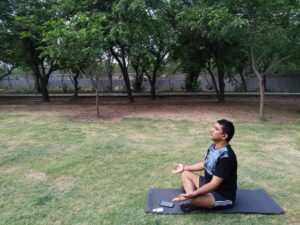
Mental fatigue impacts physical recovery. High stress can increase cortisol, a hormone that slows muscle repair and disrupts sleep.
Ways to manage stress:
-
Breathing exercises or meditation
-
Short breaks during training cycles
-
Balance training with work, school, and personal life
Relaxation is part of recovery. Chronic stress can increase inflammation and affect heart health, which you can monitor through athlete heart health labs.
6. Monitor Key Labs and Markers
Even fit athletes can have hidden issues that affect recovery:
-
Iron and ferritin for oxygen transport
-
Vitamin D and magnesium for muscle function
-
Inflammation markers like hs-CRP
-
Blood sugar and hormone levels
Checking these numbers can explain fatigue that nutrition and rest alone cannot fix. For more on labs that matter for athletes over 40, see 5 labs every athlete over 40 should know.
How an Introductory Session Helps
Many athletes try to fix recovery with more supplements, extra sleep, or additional rest. Often, the real issues are hidden in fueling patterns, labs, or training intensity.
In an Introductory Session, we:
-
Review your training, diet, and lifestyle
-
Identify hidden recovery obstacles
-
Recommend nutrition, hydration, and training adjustments
-
Flag any labs that may impact performance
This approach gives clarity and a personalized plan instead of guesswork.
👉 Learn more about the Introductory Session here:
sports-nutritionist.com/virtual-session-special
The Bottom Line
Recovery is just as important as training. To improve recovery between workouts, focus on:
-
Sleep
-
Proper nutrition and meal timing
-
Hydration and electrolytes
-
Active recovery
-
Stress management
-
Lab monitoring
Optimizing these areas helps your body rebuild, reduces fatigue, and improves long-term performance. Recovery is a critical part of being a successful athlete.