
Should My Child Play Sports When Sick? What Parents Need to Know

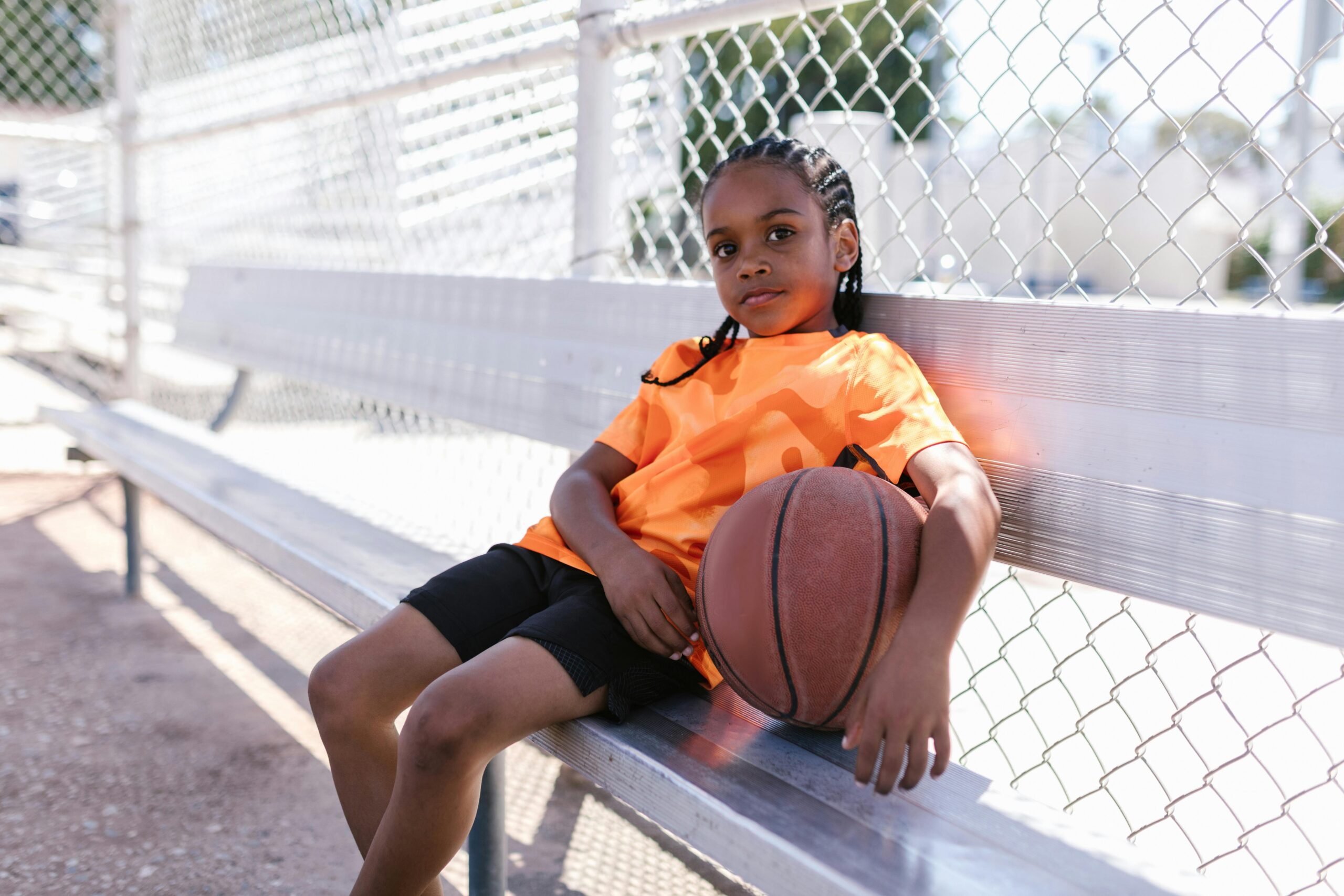
Should My Child Play Sports When Sick? What Parents Need to Know
By Barbara Lewin, RDN, LDN Sports and Functional Nutritionist
It’s a common situation for parents.
Your child wakes up with a sore throat, a mild cough, or low energy. Practice is later that day. They say they feel “okay” and want to go.
So what do you do?
Many parents are unsure whether their child should play sports when sick. Missing practice can feel like falling behind, but pushing through illness can make things worse.
Here is how to make the right decision.
The “Above the Neck” Rule Is Not Enough
You may have heard this rule:
If symptoms are above the neck, like a runny nose or mild sore throat, it is okay to exercise.
If symptoms are below the neck, like chest congestion or body aches, rest is better.
This can be helpful, but it is not enough for young athletes.
Children are still growing. Their immune systems are still developing. What seems mild can quickly turn into something more serious if the body is under stress.
When Your Child Should NOT Play
There are clear situations where your child should skip practice or games.
Keep them home if they have:
-
A fever
-
Chills or body aches
-
Chest congestion or a deep cough
-
Extreme fatigue
-
Vomiting or diarrhea
These are signs the body needs rest.
Training during this time can:
-
Prolong illness
-
Increase risk of injury
-
Delay recovery
-
Stress the heart and immune system
If you are unsure, it is always safer to rest.
When Light Activity May Be Okay
If symptoms are very mild, some light movement may be okay.
Examples include:
-
Slight runny nose
-
Mild sore throat
-
Normal energy levels
Even then, practice should be reduced.
Young athletes do not always self-regulate well. They may push harder than they should, especially in team settings.
A better option may be:
-
Light movement at home
-
Short walks
-
Gentle activity instead of full practice
Why Rest Matters More Than Parents Think
Many parents worry that missing a practice will hurt performance.
In reality, the opposite is often true.
Rest allows the body to:
-
Fight infection
-
Reduce inflammation
-
Recover faster
-
Return stronger
Pushing through illness can lead to longer time away from sport.
This is especially important during busy seasons when athletes are already under stress from school, training, and travel.
Nutrition Plays a Key Role in Recovery
When a young athlete is sick, nutrition becomes even more important.
Focus on:
-
Regular meals, even if appetite is lower
-
Fluids to stay hydrated
-
Easy-to-digest foods
-
Balanced meals with carbohydrates and protein
Food quality matters here. Diets high in processed foods can make it harder for the body to recover and maintain energy. This is explained further in How Ultra-Processed Foods Really Impact Athletic Performance.
What Parents Often Overlook
One of the biggest issues is pressure.
Young athletes may feel:
-
Pressure from coaches
-
Pressure from teammates
-
Pressure they put on themselves
Parents sometimes feel it too.
But health should always come first.
Missing one practice will not impact long-term performance. Repeatedly ignoring illness can.
Building Better Long-Term Habits

Teaching young athletes when to rest is part of their development.
It helps them:
-
Understand their body
-
Avoid burnout
-
Reduce injury risk
-
Stay consistent over time
Knowing when not to train is just as important as training itself.
If you want more guidance on this topic, see Should I Exercise When I’m Sick? for a deeper look at how illness affects performance and recovery.
How an Introductory Session Can Help

Parents often want clear guidance but are not sure what applies to their child.
In an Introductory Session, we:
-
Review training, schedule, and stress load
-
Identify when fatigue or illness may be linked to nutrition
-
Provide clear guidelines for training, rest, and recovery
-
Help your child stay healthy and consistent
👉 Learn more here:
https://sports-nutritionist.com/virtual-session-special