What Should I Eat Before My 5 a.m. Practice if I Can’t Tolerate Solid Food?

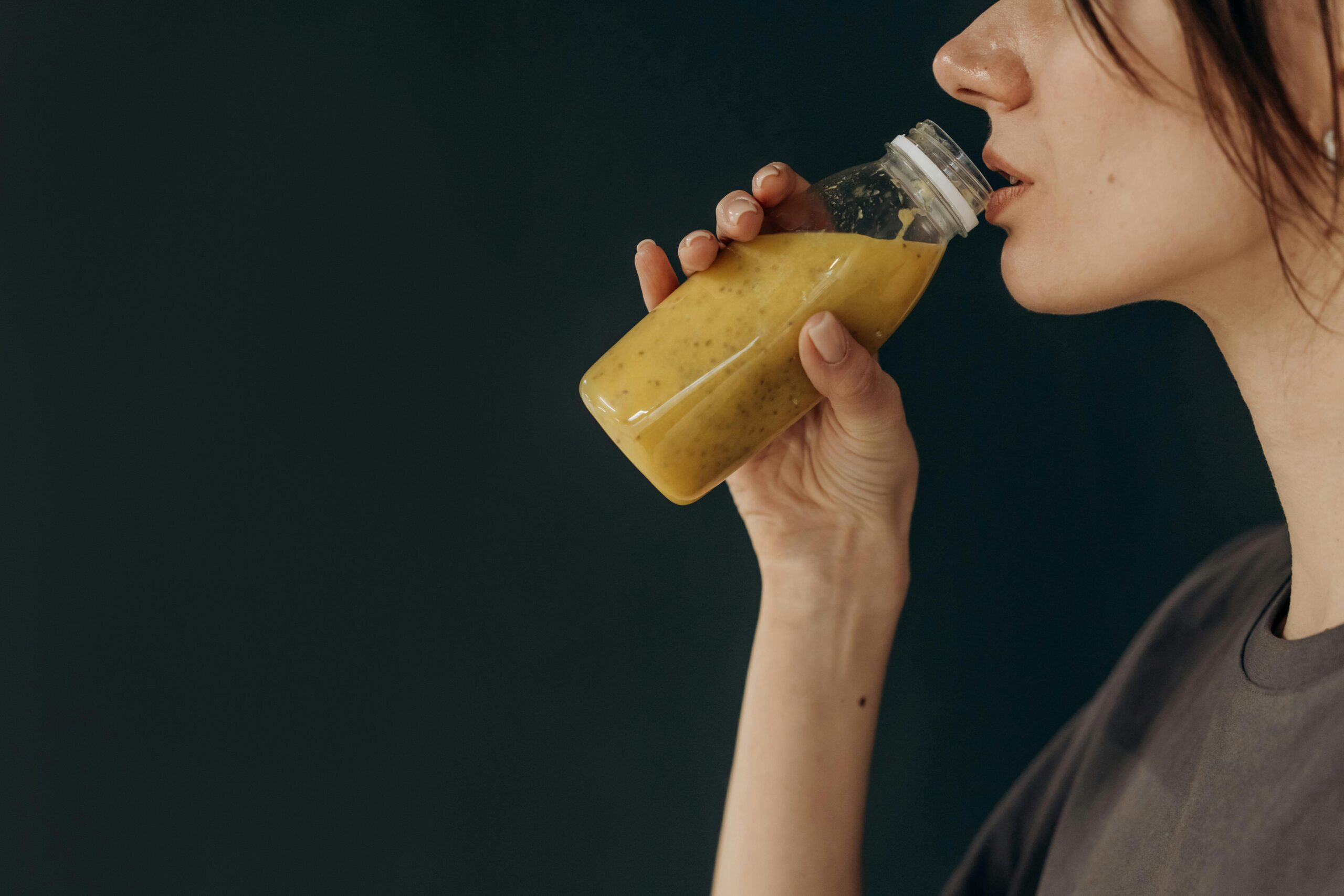
athlete drinking a smoothie

What Should I Eat Before My 5 a.m. Practice if I Can’t Tolerate Solid Food?

Early morning workout nutrition can be one of the toughest challenges for athletes. When your alarm goes off before sunrise and the thought of solid food turns your stomach, it’s easy to head out the door on empty. Yet, what you eat (or don’t eat) before a 5 a.m. practice can dramatically affect your performance, energy, and recovery. In this article, we’ll cover what to eat when solids aren’t an option, why it matters for endurance and power athletes, and specific liquid or semi-liquid options that deliver energy without digestive distress.

When you train early, your body’s glycogen stores from the previous day are already low. Overnight fasting means your muscles and liver have used stored carbohydrate for normal metabolic function, leaving you with limited fuel for high-intensity work. Skipping pre-practice nutrition forces your body to rely more on fat for energy, which sounds appealing but actually leads to slower performance, reduced power output, and early fatigue.

If solid food is out of the question, liquids can be your best ally. A well-formulated smoothie or drinkable fuel gives you quick-digesting carbohydrates and a small amount of protein without the heaviness of breakfast foods. The key is to focus on easy digestion, adequate carbohydrates, and hydration.

Smart Early-Morning Fueling Options

athlete with preworkout drink

  1. Sports Drink or Electrolyte-Carb Mix
    Choose one that provides about 30–45 grams of carbohydrate per serving with added sodium and potassium. This helps top off glycogen stores and supports hydration before sweating begins.

    Want to know exactly how much sodium, potassium, and carbohydrate you should be taking in before and during training? Read my article on Why Athletes Need Electrolytes to learn how to tailor your electrolyte intake for performance and recovery.

  2. Liquid Meal Replacement or Protein-Carb Blend
    Look for one with roughly 4:1 carbs to protein, such as 40 grams of carbs and 10 grams of protein. Blend with water or a small amount of unsweetened almond milk to keep it light.

  3. Homemade Smoothie
    Combine ½ banana, ½ scoop plant-based protein, a teaspoon of honey or maple syrup, and water or coconut water. Sip slowly over 10–15 minutes. This provides easy fuel without stomach discomfort.

  4. Applesauce or Baby Food Pouch
    These are gentle, fast-absorbing carbohydrates that sit well even on a sensitive stomach. Pair with a small sip of an electrolyte drink if you tend to sweat heavily.

Timing and Quantity Matter

Aim to consume your liquid fuel 20-30 minutes before practice, or sip it gradually on the way. You do not need a full meal; about 100-150 calories of mostly carbohydrate is enough to prevent early fatigue and maintain blood sugar.

Recovery Starts Before Practice

Athletes who consistently underfuel early sessions often experience prolonged fatigue and slow recovery later in the day. Even a small pre-workout fueling routine can make a measurable difference in power, focus, and post-practice hunger control.

If early-morning training is a regular part of your schedule, experiment with different liquid options until you find one that feels effortless to digest. Consistency builds tolerance, and your performance will reflect the payoff.

If you’re unsure how to fine-tune your pre-workout fueling or recovery plan, my Introductory Nutrition Session is designed to pinpoint your exact energy and digestive needs so you can perform at your best even before sunrise.