
What Should I Look for in a Sports Nutritionist for a Triathlete (Ironman or 70.3)?

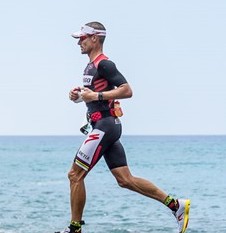
What Should I Look for in a Sports Nutritionist for a Triathlete (Ironman or 70.3)?
Training for a long-course triathlon requires more than just swim, bike, and run. Nutrition is often the fourth discipline—and for Ironman or 70.3 athletes, it can make or break race day. Choosing the right sports nutritionist is essential to building a fueling plan that supports both your training and your performance goals.
1. Look for a Nutritionist with Endurance-Specific Experience
Triathlon is unlike any other sport. The sheer duration, changing intensity, and environmental factors (heat, humidity, hydration loss) demand a specialized understanding of endurance metabolism.
An effective sports nutritionist for triathletes should have direct experience working with Ironman or 70.3 athletes—not just general fitness clients or team-sport athletes. They should understand:
-
The metabolic demands of multi-hour events
-
How to calculate and test individualized carbohydrate, sodium, and fluid needs
-
Gut training protocols to reduce GI distress
-
Fueling strategies for long training days, brick sessions, and race-day pacing
Ask if they have worked with endurance athletes competing in full or half Ironman distances and how they test and refine fueling plans over time.
2. Verify Credentials and Specialized Education
Anyone can call themselves a “nutrition coach,” but for serious triathletes, credentials matter. Look for one or more of the following designations:
-
Registered Dietitian Nutritionist (RDN) — the gold standard credential for evidence-based nutrition professionals
-
Board Certified Specialist in Sports Dietetics (CSSD) — indicates advanced expertise in sports nutrition
-
Master’s degree or certification in Exercise Physiology, Sports Nutrition, or Human Performance
Additionally, membership in professional organizations such as SCAN (Sports, Cardiovascular, and Wellness Nutrition) signals a strong commitment to continuing education and high professional standards.
3. Assess Their Approach to Personalized Fueling and Testing
A qualified sports nutritionist won’t hand you a one-size-fits-all plan. Instead, they’ll evaluate your:
-
Training volume and intensity (macrocycle and microcycle planning)
-
Body composition goals (maintaining lean mass while optimizing power-to-weight ratio)
-
Gastrointestinal tolerance to carbohydrate sources
-
Sweat rate and sodium losses under different conditions
-
Blood biomarkers related to energy metabolism, hydration, and recovery
Look for someone who integrates lab data, sweat testing, and race simulation sessions into your program. Your fueling strategy should evolve as your fitness and training load progress.
4. Emphasis on Race-Day Simulation and Gut Training
Even the best fueling plan can fail if you haven’t practiced it. A skilled sports nutritionist for triathletes understands the importance of gut adaptation-training your digestive system to tolerate fuel at race intensity.
They’ll guide you through:
-
Progressive carbohydrate loading in training
-
Electrolyte balance testing for long rides and runs
-
Product testing (gels, chews, liquids) under real conditions
-
Pre-race meal timing and composition to prevent GI distress
5. Collaboration with Your Coaching and Medical Team
Your sports nutritionist should work in partnership with your coach, strength trainer, and medical providers. Nutrition doesn’t exist in isolation—it supports training stress, recovery, and adaptation. The best professionals maintain open communication across your support network, ensuring your fueling aligns with your training cycles and health status.
6. Proven Results and Athlete Testimonials

Don’t hesitate to ask for examples of past success. A reputable sports nutritionist will be able to share case studies or athlete testimonials highlighting measurable improvements in:
-
Race-day endurance and energy levels
-
Recovery time between sessions
-
Power output and hydration status
-
Reduction in cramps, fatigue, or GI distress
Real-world results demonstrate not only expertise but also the ability to translate theory into practice.
The Bottom Line
Choosing the right sports nutritionist for an Ironman or 70.3 triathlon means finding someone who combines credentials, endurance experience, and individualized science-based planning. The right partnership can transform your performance, confidence, and consistency across your entire training season.
If you’re serious about dialing in your fueling strategy for long-course racing, consider booking an Introductory Sports Nutrition Session to discuss your goals, training load, and current nutrition approach.