
Training in the Heat: How Athletes Can Perform and Recover in Hot Weather

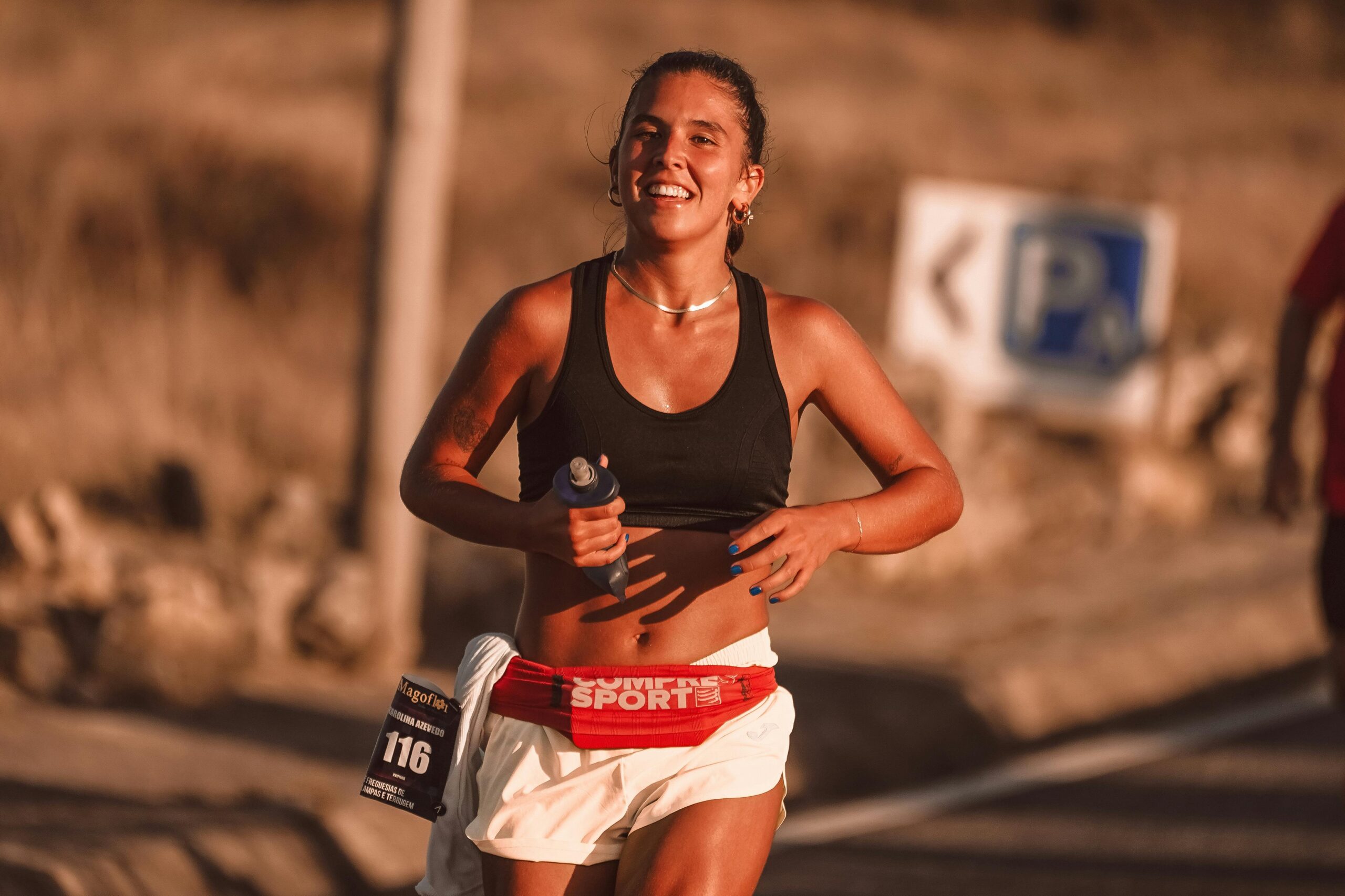
Training in the Heat: How Athletes Can Perform and Recover in Hot Weather
By Barbara Lewin, RDN, LDN Sports and Functional Nutritionist
Most athletes focus on hydration, but water alone is not enough. When you sweat, you lose electrolytes, and without replacing them, performance drops fast.
Why Training in the Heat Feels So Difficult
Heat and humidity place extra stress on the body.
Your heart works harder to cool you down. Sweat rates increase. Fluids and electrolytes are lost quickly. Even well-trained athletes see a drop in performance.
Common effects include:
- Higher heart rate
- Faster fatigue
- Reduced endurance
- Increased risk of cramping
This is normal. The goal is to adapt, not fight it.
Hydration Is More Than Just Water
One of the biggest mistakes athletes make is relying on water alone.
When you sweat, you lose:
- Fluids
- Sodium
- Other electrolytes
Replacing only water can dilute sodium levels and increase fatigue.
A better approach:
- Start workouts hydrated
- Use electrolytes during longer or intense sessions
- Drink consistently, not all at once
When temps rise, hydration needs are often higher than expected.
Most athletes focus on hydration, but water alone is not enough. Many electrolyte drinks are not enough and they need to be individualized to your unique sweat rate. When you sweat, you lose electrolytes, and without replacing them, performance drops fast. Learn how to benefit from electrolytes here.
Fueling for Heat Training
Nutrition plays a key role in how your body handles heat.
Before training:
- Include carbohydrates for energy
- Avoid heavy, high-fat meals
During longer sessions:
- Add simple carbs if needed
- Use fluids that are easy to digest
After training:
- Replace fluids and sodium
- Include protein and carbs to support recovery
Athletes who underfuel often struggle more in the heat.
Adjust Expectations and Pace
One of the most important mindset shifts is this:
You cannot train in the heat the same way you train in cooler weather.
Pace will slow. Effort will feel higher.
Smart adjustments include:
- Training by effort instead of pace
- Scheduling sessions earlier or later in the day
- Allowing time for heat adaptation
Ignoring these factors leads to burnout and poor performance.
Warning Signs to Watch For
Pay attention to:
- Dizziness
- Chills or goosebumps in heat
- Headache
- Nausea
- Sudden fatigue
These can be signs of heat stress.
Stopping early is always better than pushing too far.
How to Improve Performance in the Heat
Consistency matters.
Over time, your body adapts by:
- Sweating more efficiently
- Improving cooling
- Maintaining better endurance
But this only happens with proper fueling, hydration, and recovery.
How an Introductory Session Can Help
Training in the heat requires a different strategy.
In an Introductory Session, we:
- Assess your hydration and fueling habits
- Identify gaps based on your training environment
- Build a plan specific to heat and humidity
👉 Learn more:
https://sports-nutritionist.com/virtual-session-special
The Bottom Line
Training in the heat is harder, but it does not have to limit performance.
With the right approach to hydration, fueling, and pacing, athletes can train effectively and stay consistent even in hot conditions.