
Coffee for Athletes: How Caffeine Can Improve Performance and Energy

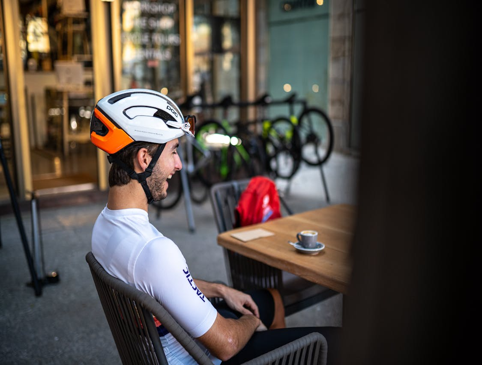
Cyclist drinking coffee

Coffee for Athletes: How Caffeine Can Improve Performance and Energy

By Barbara Lewin, RDN, LDNĀ Sports and Functional Nutritionist

Coffee is one of the most effective performance tools athletes already use, often without realizing it.


Coffee and athletic performance have been studied extensively over the past several decades. Whether you’re a competitive athlete or someone who enjoys exercising regularly, you may wonder whether drinking coffee before a workout can help you perform better.

Why Coffee Helps Athletic Performance

Coffee contains caffeine, a natural stimulant that affects the brain and muscles.

Caffeine works by:

  • Reducing perceived effort
  • Increasing alertness and focus
  • Improving endurance

This means workouts can feel easier, even at the same intensity.

For many athletes, this leads to:

  • Better training quality
  • Improved consistency
  • Stronger performance over time

For many people, the day doesn’t begin until they’ve had their first cup of coffee. But beyond helping you feel more awake, coffee may also improve athletic performance.

In fact, caffeine is one of the most extensively researched sports nutrition supplements available. Numerous studies have shown that it can enhance endurance, increase alertness, reduce the perception of effort, and improve performance in a variety of sports.

That doesn’t mean everyone should drink coffee before every workout. The benefits depend on the amount of caffeine consumed, when it’s consumed, the type of exercise you’re doing, and how your body responds to caffeine.

How Coffee Can Improve Athletic Performance

Caffeine stimulates the central nervous system, making you feel more alert and focused. It may also reduce the perception of fatigue, allowing exercise to feel easier even when you’re working at the same intensity.

Research has shown caffeine may help improve:

  • Endurance performance
  • High-intensity exercise
  • Cycling and running performance
  • Strength and power output
  • Reaction time
  • Mental focus and concentration
  • Performance during long competitions

For athletes competing in sports that require sustained concentration, such as tennis, golf, or cycling, improved mental focus can be just as valuable as the physical benefits.

How Much Coffee Is Effective?

Most research suggests that approximately 3 to 6 mg of caffeine per kilogram of body weight provides the greatest performance benefit.

Fortunately, many recreational athletes don’t need to calculate milligrams precisely.

As a general guide:

  • Small cup of brewed coffee: approximately 80 to 100 mg
  • Medium coffee: approximately 150 to 200 mg
  • Large coffee: 200 mg or more, depending on preparation

More is not necessarily better. Higher doses increase the risk of side effects without consistently improving performance.

When Should You Drink Coffee?

Timing matters.

For most people, drinking coffee about 45 to 60 minutes before exercise allows caffeine levels to peak around the start of a workout or competition.

If you’re exercising very early in the morning, you may not need a full meal, but combining coffee with a light source of carbohydrate often works better than coffee alone.

Good examples include:

  • Banana
  • Toast with honey
  • Applesauce
  • Bagel
  • Graham crackers

For more ideas, see my article What Should I Eat Before a Workout?

Coffee Is Not a Meal

One mistake I frequently see is relying on coffee instead of eating.

Coffee may increase alertness, but it doesn’t replace the carbohydrates your muscles need for exercise.

Athletes who skip breakfast and depend solely on coffee often find they fatigue sooner during longer or higher-intensity workouts.

Think of coffee as something that may complement a good nutrition plan, not replace one.

Coffee Versus Pre-Workout Supplements

Many commercial pre-workout products contain caffeine along with multiple additional ingredients.

For many recreational athletes, a simple cup of coffee provides similar caffeine benefits without unnecessary stimulants or proprietary blends.

If you choose a pre-workout supplement, carefully review the ingredient list and total caffeine content.

Is Coffee Right for Everyone?

Not necessarily.

Some people experience:

  • Anxiety
  • Jitters
  • Difficulty sleeping
  • Gastrointestinal discomfort
  • Increased reflux symptoms
  • Rapid heart rate
  • Migraine triggers

Others metabolize caffeine much more slowly than average and remain sensitive for several hours.

If caffeine consistently makes you feel worse rather than better, it may not be the right strategy for you.

Does Coffee Cause Dehydration?

This is one of the most common myths I hear.

Regular coffee consumption does not appear to cause meaningful dehydration in people who regularly consume caffeine.

However, coffee shouldn’t be your primary hydration strategy before long workouts or exercise in hot weather.

Water and, when appropriate, electrolyte-containing beverages remain important for optimal performance.

Practical Tips for Athletes

  • Avoid trying coffee for the first time on race day.
  • Practice your routine during training.
  • Start with a smaller amount if you’re sensitive to caffeine.
  • Avoid consuming large amounts late in the day if it affects your sleep.
  • Don’t rely on coffee to compensate for inadequate sleep or poor nutrition.

The Bottom Line

Coffee can be an effective and inexpensive way to support athletic performance for many people. When used appropriately, it may improve endurance, increase focus, and reduce the perception of effort during exercise.

Like every aspect of sports nutrition, the best strategy depends on your goals, training schedule, medical history, and individual tolerance.

If you’re unsure whether coffee fits into your nutrition plan, working with a sports dietitian can help you determine the approach that’s best for you.

For additional guidance, you may also enjoy these related articles:

Ready to Fuel Your Best Performance?

Whether you’re training for your next race, competing in your favorite sport, or simply looking for more energy during your workouts, personalized nutrition can help you reach your goals.

Learn more about my Special Introductory Sports Nutrition Consultation:

https://sports-nutritionist.com/virtual-session-special/